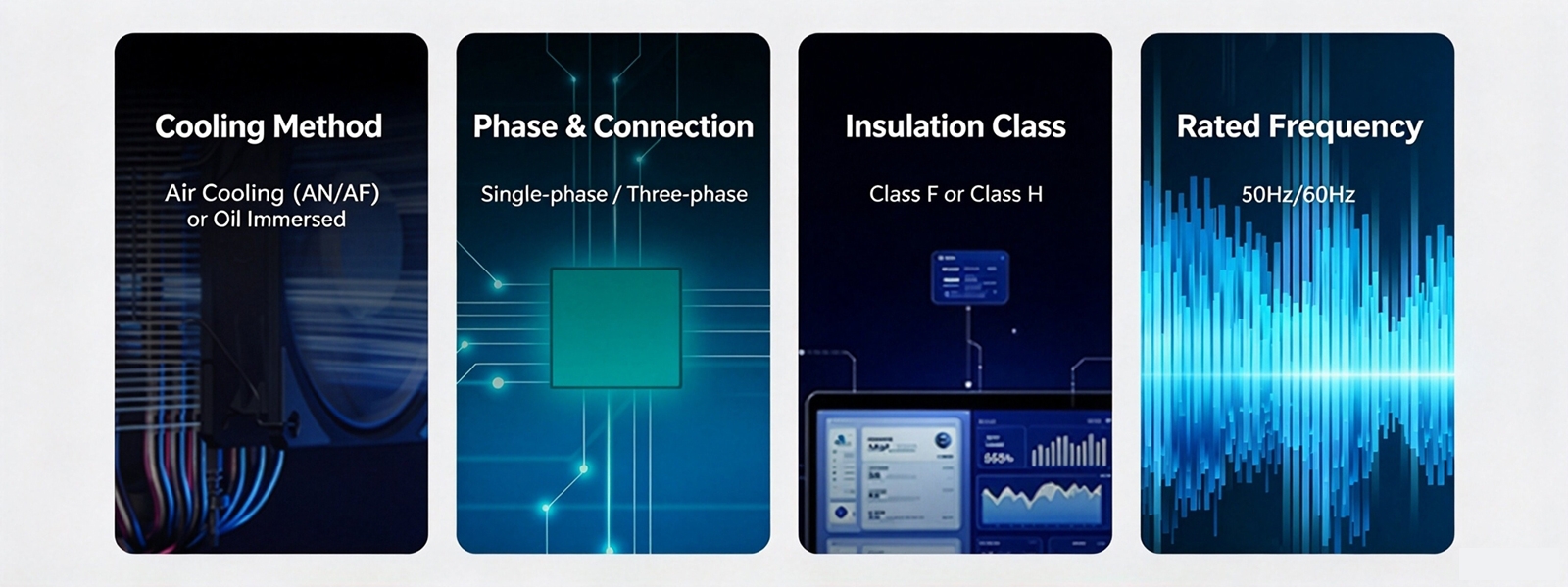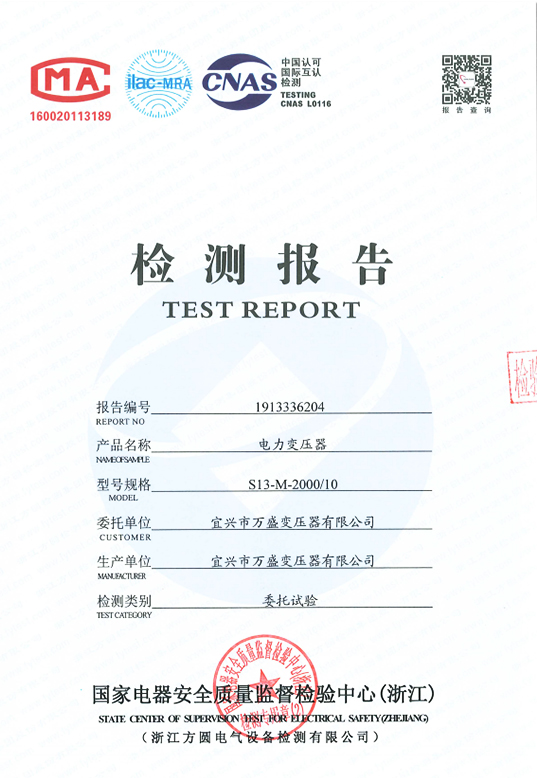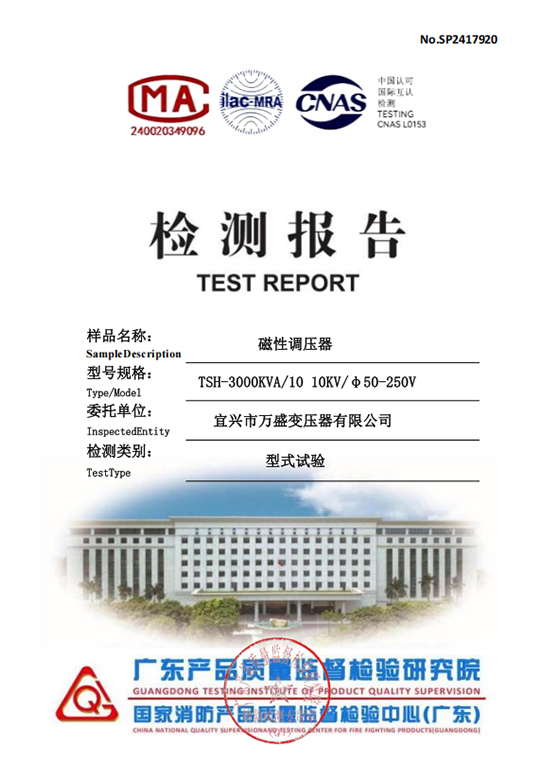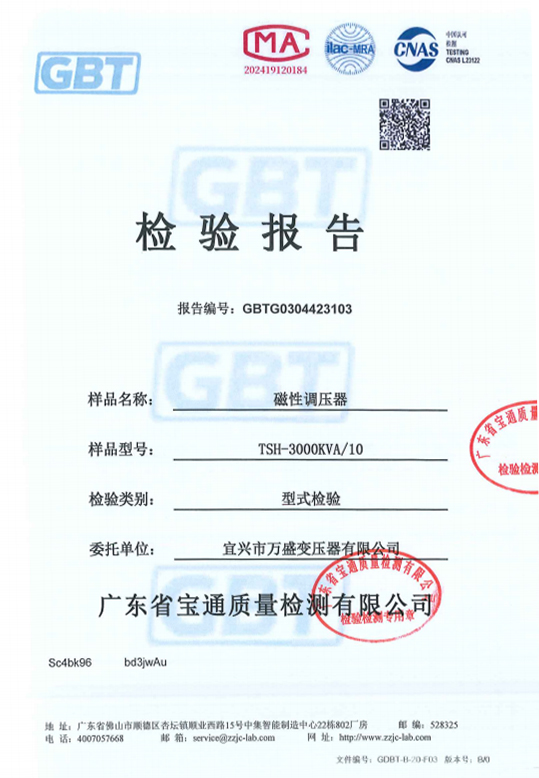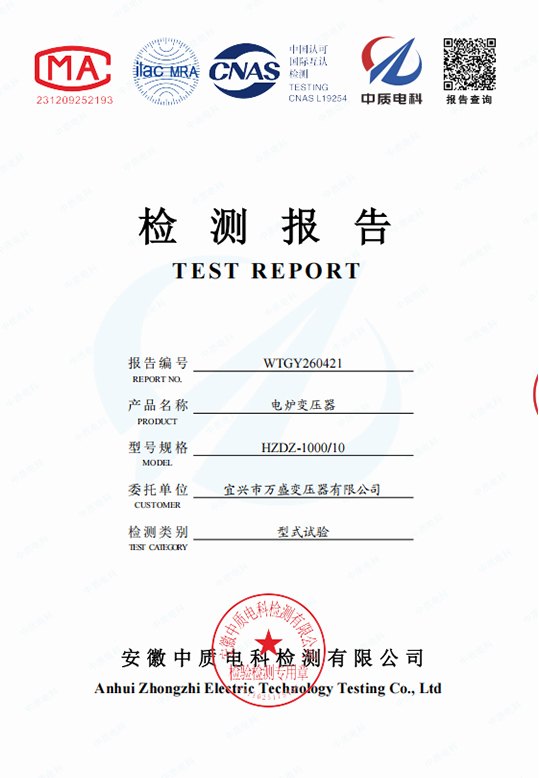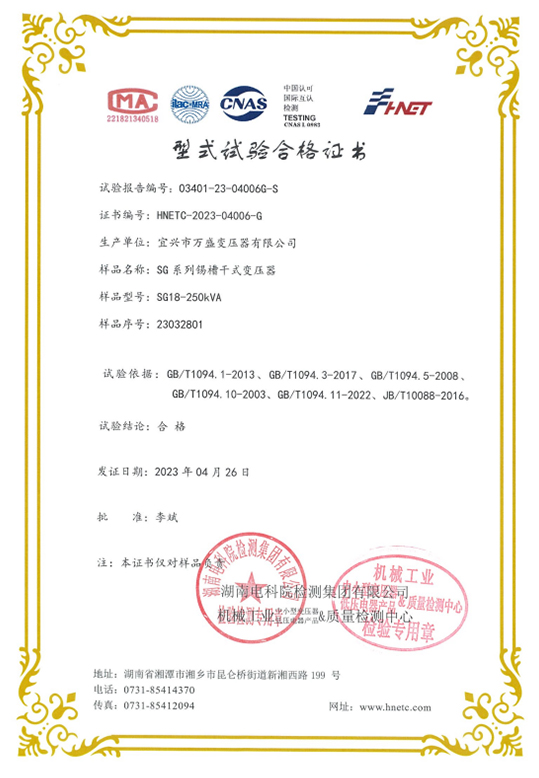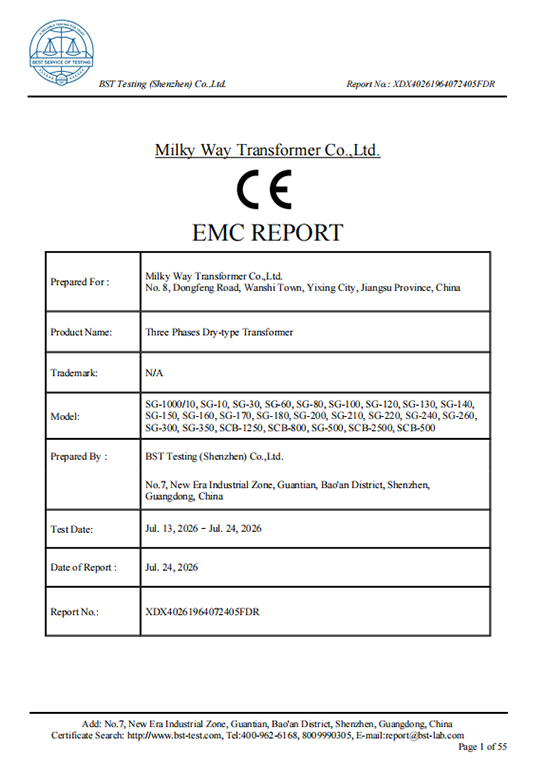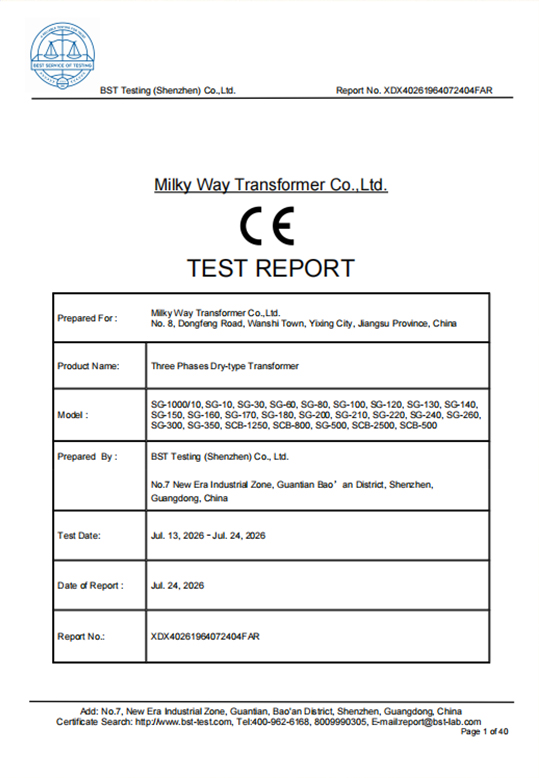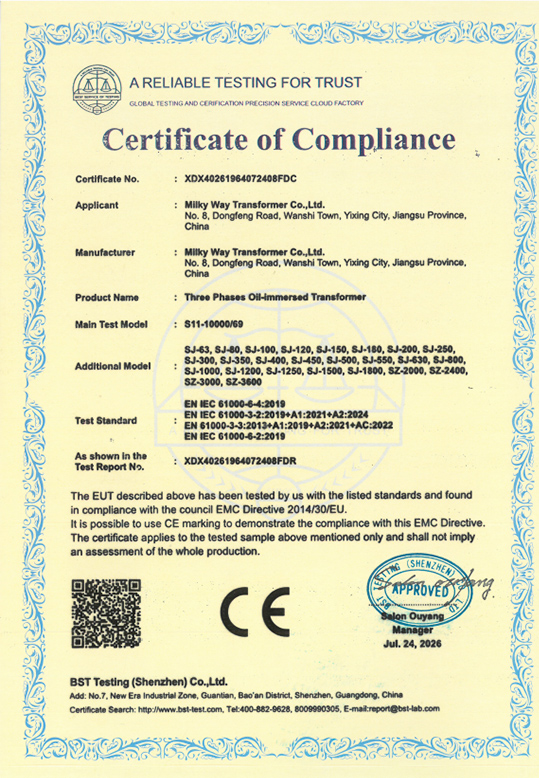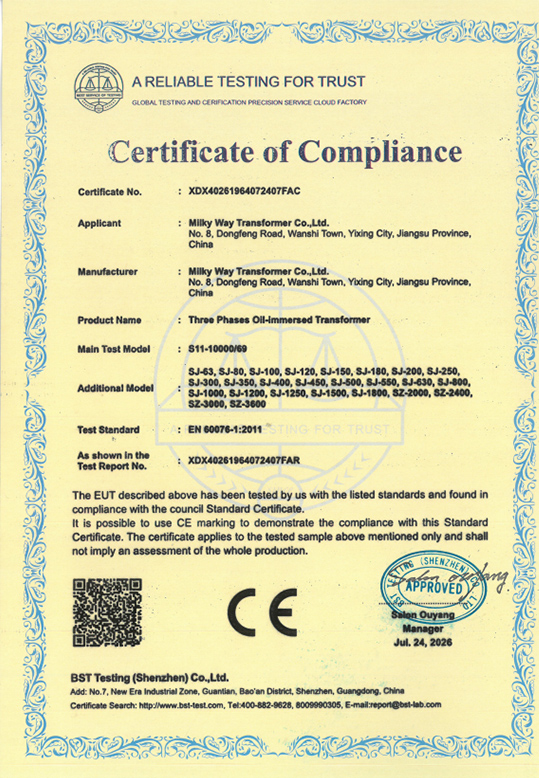
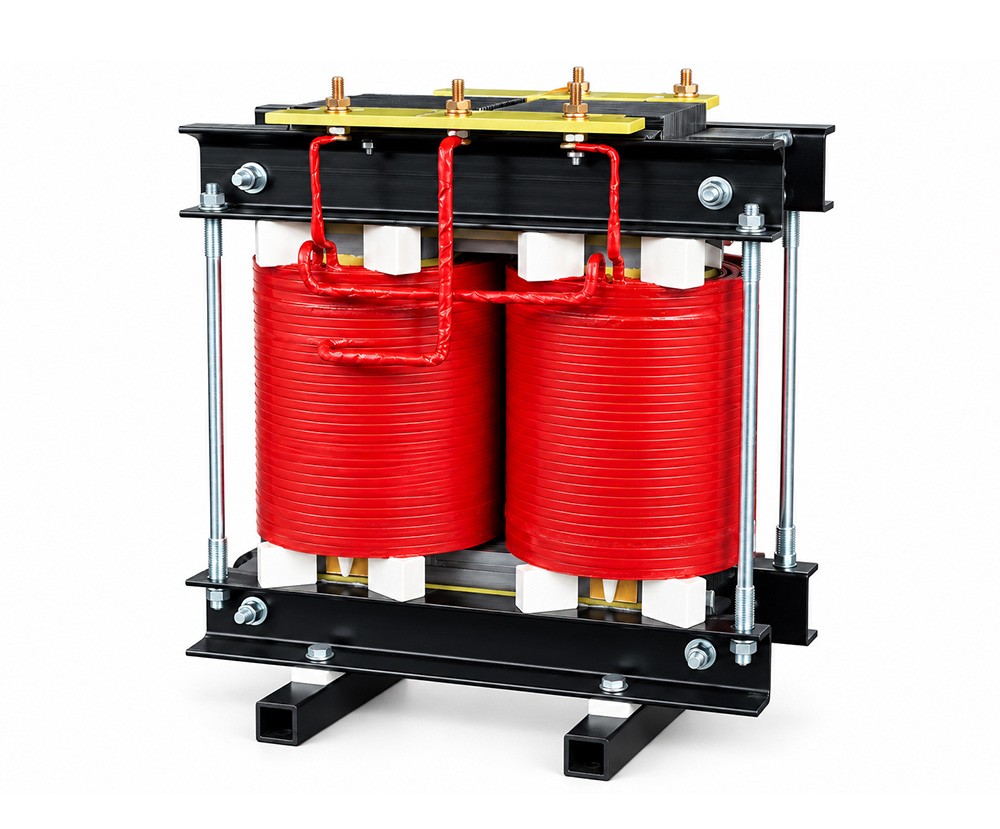
An electric boosting transformer forms part of the electrical supply for a glass furnace boosting system. Its output must be coordinated with the electrode grouping, power controller and furnace process requirements. Selection should begin with the required boosting power and the voltage and current expected across the operating range. The phase arrangement, isolation requirements, cooling method and terminal connections are then defined for the installation. A boosting transformer should not be selected solely by copying the rating of a general distribution transformer. For a new project, provide the electrode circuit diagram and the control concept. For a retrofit, add the existing transformer nameplate, operating records and available installation space. These inputs help establish whether a proposed configuration fits the actual furnace duty. The available project materials support a customized engineering approach; they do not establish a single standard specification for every boosting application. Electrical ratings, output adjustment and accessories are confirmed in the technical proposal for the individual project.
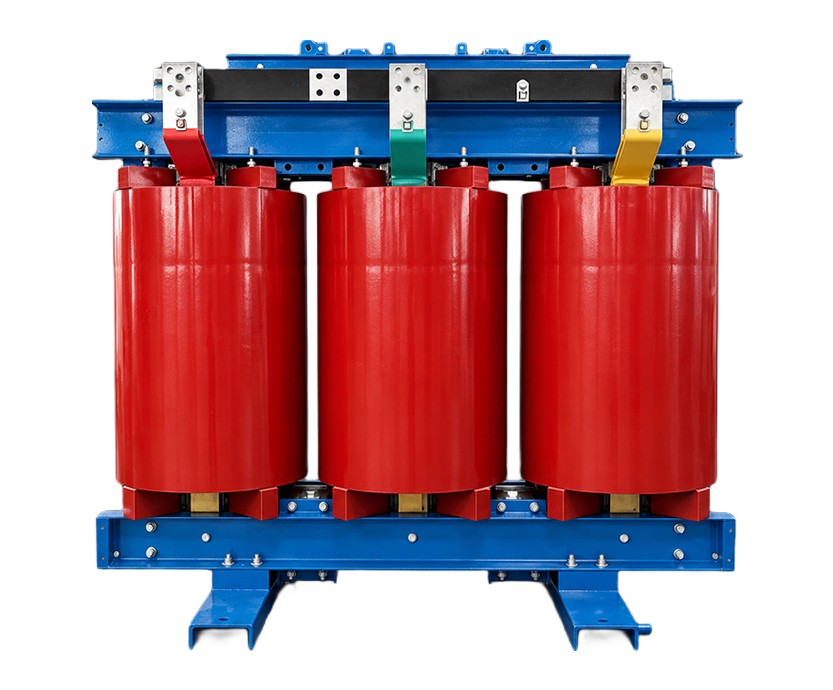
Oil free, with strong fire resistance, eliminating the risk of oil leakage; Capable of withstanding short-circuit current and overvoltage, and adapting to harsh environments.
Using environmentally friendly materials, low noise and no pollution, to assist in the construction of a green power grid.
Efficient cooling system ensures that the equipment maintains low temperature during long-term operation, effectively extending the service life of the equipment.
Humanized design, simple operation, convenient and fast daily inspection and maintenance, significantly reducing operating costs.
Durable shell design, impact resistance, corrosion resistance, able to adapt to various complex and harsh working environments.
Modular structure design, supporting quick disassembly and assembly, combined with intelligent monitoring system, making operation and maintenance work more worry free and effortless.